A Comprehensive Guide to Window Lock Installation
Windows are not just openings for light and ventilation; they are likewise crucial points of entry and security in any home. Installing window locks is a straightforward and efficient way to improve home security, prevent robbers, and offer peace of mind. This guide will stroll you through the procedure of installing window locks, from choosing the best type to the detailed setup process.
Why Install Window Locks?
- Enhanced Security: Window locks avoid unauthorized entry, making your home safer.
- Deterrence: Visible locks can discourage prospective burglars who are looking for easy targets.
- Comfort: Knowing that your windows are safely locked can help you sleep better in the evening.
- Energy Efficiency: Some window locks can help seal gaps, reducing drafts and improving energy efficiency.
Kinds Of Window Locks
Before diving into the installation process, it's important to choose the right type of window lock for your needs. Here are some common types:
- Slide Locks: These are typically used on moving windows and include a metal rod that slides into a slot to secure the window.
- Web cam Locks: Also understood as thumbturn locks, these are frequently used on double-hung and casement windows. They rotate to lock the window in place.
- Key Locks: These need a crucial to lock and open the window, providing an extra layer of security.
- Window Stops: These are simple devices that prevent windows from opening beyond a specific point, beneficial for ventilation while preserving security.
- Pin Locks: These are little, discreet locks that can be installed on the sash of a window to prevent it from being raised.
Tools and Materials Needed
- Window Locks: Choose the suitable type based upon your window design.
- Drill: For creating holes to install screws.
- Screwdriver: For tightening up and loosening up screws.
- Determining Tape: To make sure precise placement.
- Level: To ensure the lock is set up straight.
- Pencil: For marking installation points.
- Silicone Sealant: Optional, for weatherproofing.
Step-by-Step Installation Process
Step and Mark the Installation Points
- Step: Use a measuring tape to figure out the very best location for the lock. For slide locks, measure the range from the edge of the window frame to the center of the lock.
- Mark: Use a pencil to mark the points where you will drill holes for the screws.
Drill Holes
- Position the Lock: Place the lock in the marked position and utilize a level to ensure it is directly.
- Drill: Using a drill, develop holes for the screws. Make sure the holes are the right size to fit the screws safely.
Install the Lock
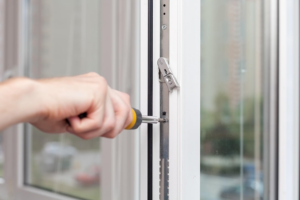
- Connect the Lock: Place the lock in the drilled holes and utilize a screwdriver to tighten up the screws. Ensure the lock is securely attached and operates efficiently.
- Test the Lock: Open and close the window to ensure the lock functions properly and does not interfere with the window's operation.
Weatherproofing (Optional)
- Apply Silicone Sealant: If you reside in a location with severe climate condition, apply a thin layer of silicone sealant around the edges of the lock to avoid water and air infiltration.
Last Check
- Inspect: Double-check all the screws and the lock to make sure everything is safe and working effectively.
- Tidy up: Remove any particles and tidy the window frame to ensure a neat and expert finish.
Frequently asked questions
Q: Can I install window locks myself, or should I work with a professional?A: Most window locks can be set up by property owners with basic DIY abilities. However, if you are unsure or the installation includes complex window types, it may be best to hire a professional.
Q: How much do window locks cost?A: The cost of window locks varies depending on the type and quality. Slide locks and webcam locks are usually the most cost effective, while essential locks and high-security alternatives can be more expensive.
Q: Can window locks be installed on all types of windows?A: Most window locks can be adapted for numerous window types, consisting of sliding, double-hung, and casement windows. Nevertheless, it's crucial to select a lock that is suitable with your specific window style.
Q: Are window locks necessary if I have an alarm?A: While an alarm supplies additional security, window locks provide a physical barrier that can prevent unauthorized entry. Combining locksmith services is the best method for optimal security.
Q: Can window locks be painted over?A: It is usually not advised to paint over window locks as it can impact their performance. If you need to paint the window frame, get rid of the lock first, paint, and then re-install it.
Installing window locks is a simple yet efficient way to enhance the security of your home. By following the actions laid out in this guide, you can make sure that your windows are securely locked, offering you and your family with included assurance. Whether you select a slide lock, cam lock, or essential lock, the right window lock can make a significant difference in your home's safety and security.
By putting in the time to properly install and maintain your window locks, you can enjoy the advantages of increased security and energy efficiency, making your home a safer and more comfortable location to live.